

I’ve shared a couple of sector rotation strategies before (like this and this). Today’s addition comes from David Varadi, which I came across in a recent AllocateSmartly article.
The Original
Varadi’s strategy slices the macro landscape into four quadrants — think of them as “four seasons” — based on the direction of growth and inflation, similar to All Weather or Permanent Portfolio frameworks:
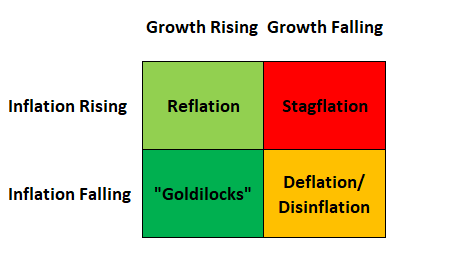
To estimate forward growth, Varadi uses the current trend of the S&P 500. The logic is that the market is forward-looking, so the S&P 500 can serve as a reasonable proxy for expected U.S. economic growth.
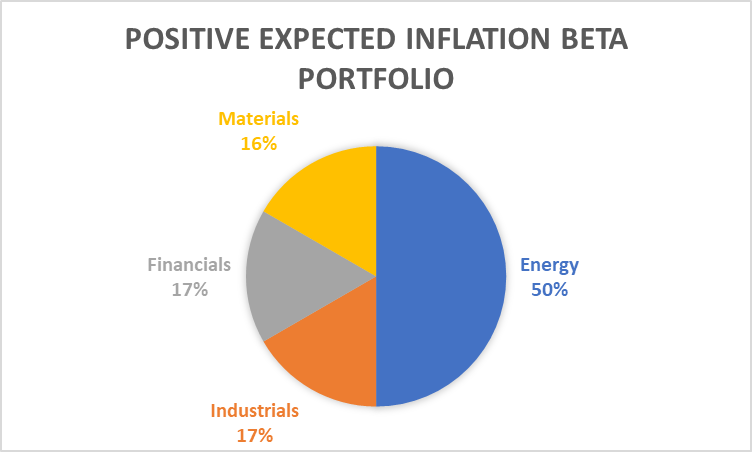
For inflation, he gets more creative. He builds two sector portfolios — one with positive expected inflation beta and one with negative — then divides the first by the second to create a ratio-based leading indicator:

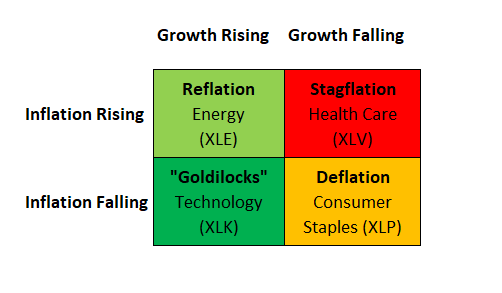
From there, using a mix of empirical evidence and economic intuition, he maps each growth/inflation regime to a sector that tends to perform well in that environment:
📣 Quick note: This post is for informational purposes only, not financial advice. I’m not recommending any specific investment. Do your own research and consult a professional if needed.
My Adaptation
For my QuantMage version, I simplified things. I used the XLE/XLP price ratio as an inflation proxy — XLE captures the positive inflation beta, XLP the negative. Then I applied momentum filters (SMA12 and 13612W) to SPY and the ratio to gauge how growth and inflation are trending:
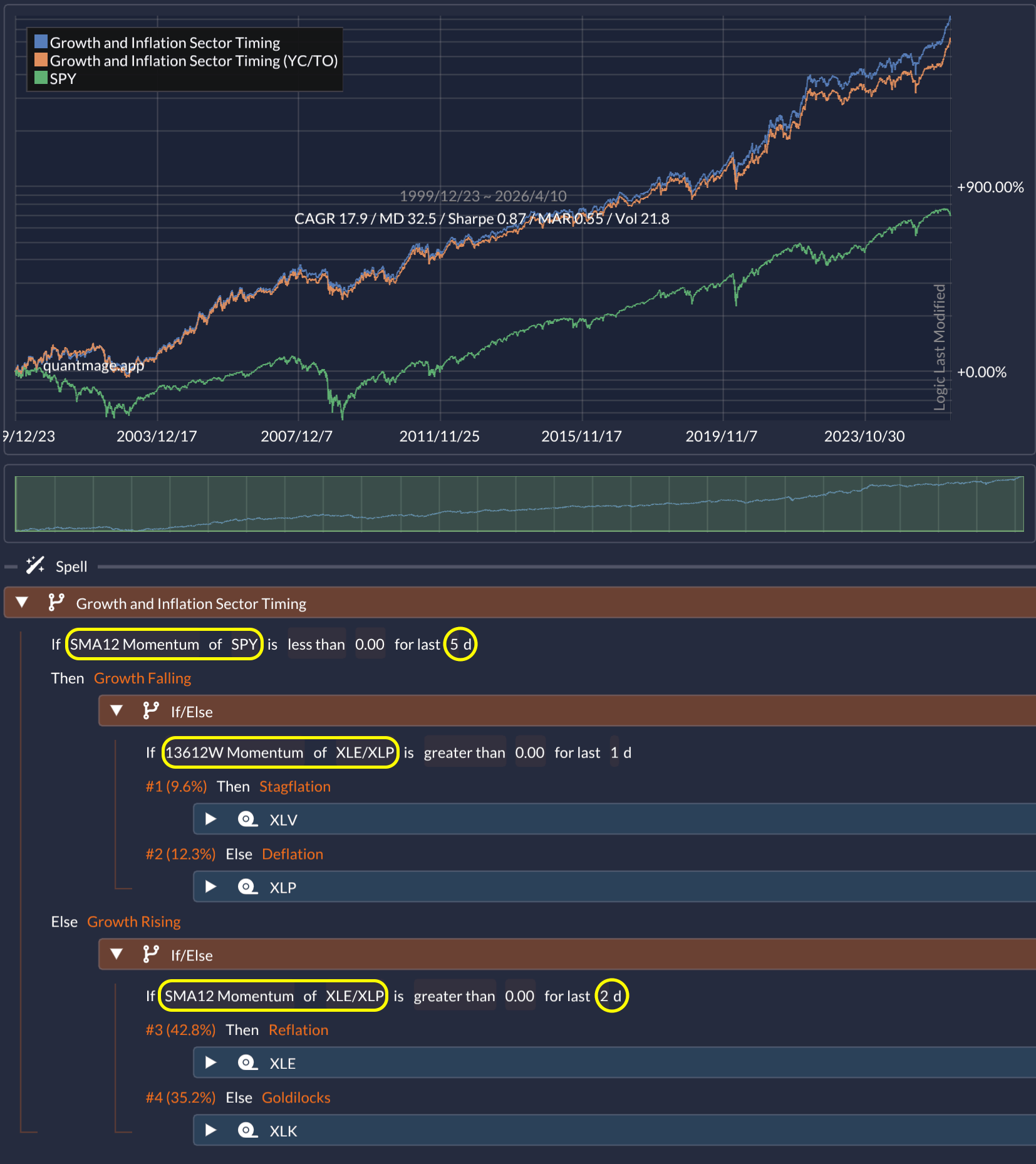
You’ll notice an intentional inconsistency: the momentum filters applied to the ratio differ depending on the growth regime, and the consecutive-day requirements vary too (highlighted above). These are deliberate tweaks to squeeze a bit more juice out of the strategy.

The result? It handily beat SPY in both absolute and risk-adjusted returns over a 26-year period. I’m quite pleased that performance lands in the same ballpark as the original despite the simplification. It also handled the recent geopolitical turmoil well, parking in the energy sector at just the right time:
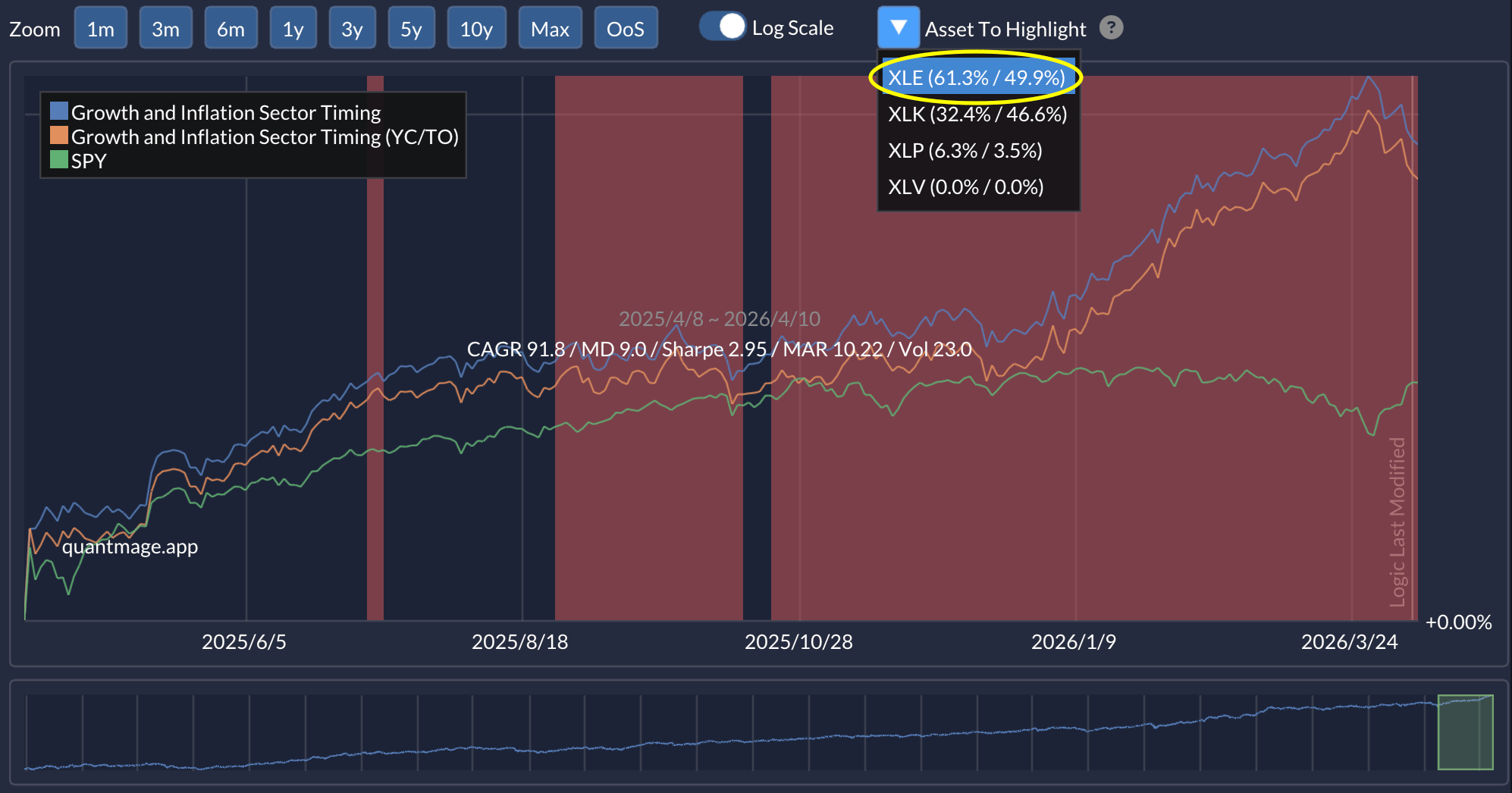
That said, it’s not immune to overfit concerns — the fine-tuning I mentioned is one factor, and the original itself is a relatively aggressive approach for a tactical strategy since it goes all-in on a single sector at any given moment.
Still, I think it’s a compelling framework. At the very least, it’s a nice example of how macro regime thinking can be translated into a concrete, rules-based sector rotation model.
You can check out the strategy yourself here. Hopefully it gives you a few ideas to explore in your own research.
Great!! :)